

In this guide
- 01Where do interior designers find clients?
- 02How to get interior design clients with ads
- 03The form that tells you which projects fit
- 04Your website: a portfolio open around the clock
- 05Instagram and Pinterest as a shop window
- 06How to show up on Google as a local interior designer
- 07Getting recommended by ChatGPT
- 08Turn inquiries into consultations
- 09In short
Someone about to invest in the interior of their home or business decides largely with their eyes. They look at finished projects, look for a style they recognize and want a process that puts them at ease. Referrals still matter, but most people check your work online before they reach out, even when a friend recommended you.
The good news is that your best marketing material already exists: your projects. This guide explains how to put them in front of the right people and turn their interest into first consultations.
Where do interior designers find clients?
Most studios combine a few channels, each with a different job:
- Referrals from past clients, architects, builders and real estate agents
- Ads on Facebook, Instagram and Google, the fastest way to fill your calendar
- Your website, where people go to see your work in detail
- Instagram and Pinterest, where people collect ideas and discover studios
- Google search and Google Maps, when someone looks for a designer nearby
- ChatGPT and similar assistants, which more people now ask for recommendations
How to get interior design clients with ads
Ads on Facebook, Instagram and Google are the fastest way to bring in first consultations, because you decide when to start and where to show up. What makes them work for a studio is simple: real project photos and a short form.
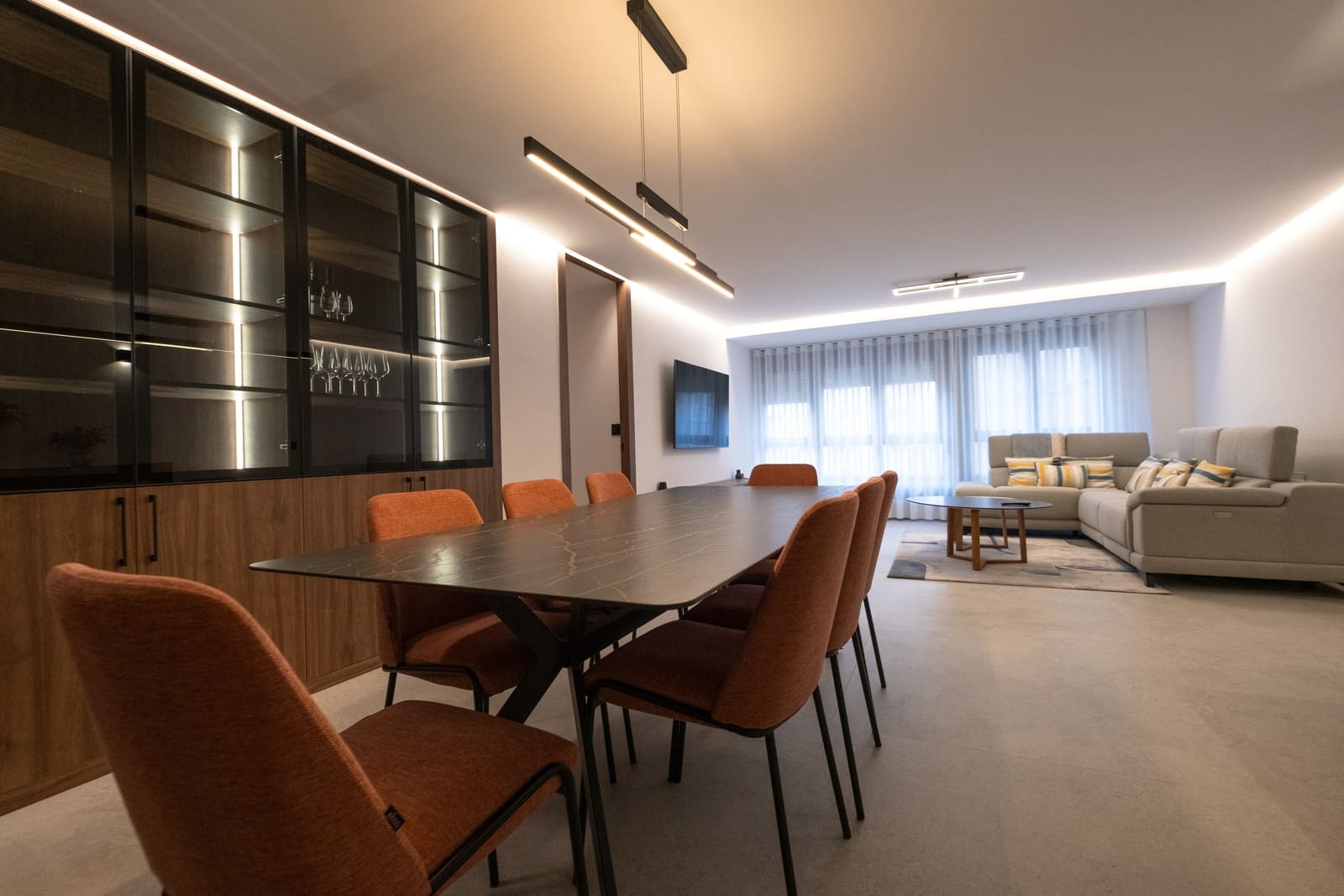
Use photos of your own finished projects, not stock images. A single strong photo of a real kitchen or living room says more about your style than any headline. Show one project per ad, with a short line about what was done.
The form that tells you which projects fit
A short form with options to tap gives you what you need to know before the first meeting, so your consultations are with projects that fit your studio:
- Type of space: whole home, kitchen, bathroom, retail or office
- Approximate square feet
- Style they're after, with photos to choose from
- Budget for the project
- When they want to start
If you only take projects above a certain size or budget, say so clearly in the ad or the form. You may receive fewer inquiries, but the ones you get will be closer to the work you want.
Your website: a portfolio open around the clock
Almost nobody hires an interior designer without looking at their work first. Your website is where they do it, you own it and it can show up when people search on Google. Instagram can change its rules or reach at any time; your website stays yours.
A good interior design website does a few things well:
- Real projects with large photos and a line on what was done
- A page for each service you offer
- Your process, explained step by step
- Your team and your service area
- A short form or a text button that reaches you instantly
Instagram and Pinterest as a shop window
Instagram and Pinterest are where many people collect ideas for their home, and where they discover studios whose style they like. Treat them as a shop window that leads to your website.
Show real projects in every post: the finished room, details of materials and before-and-after views when the client agrees. On Pinterest, link each pin to the matching project page on your website. One professional photo shoot of a finished project can feed your social media, your ads and your website for months.
How to show up on Google as a local interior designer
When someone searches for “interior designer near me”, Google shows a map with a few studios first and websites below. For the map, your Google Business Profile matters: the right category, project photos and genuine reviews from real clients. For the results below, your website matters: clear pages for each service and area that load fast on a phone.
Getting recommended by ChatGPT
More people now ask ChatGPT or similar assistants which designer to hire in their city. These tools recommend what they can understand and verify: a clear website, answered questions, genuine reviews and the same details everywhere.
Explain on your website what you do, where and for whom, and keep your name, address and phone number consistent across your site, your Google profile and directories. This takes months to build. Ads bring in consultations in the meantime.
Turn inquiries into consultations
A good ad or website brings inquiries. What happens next decides how many become clients:
- An instant reply confirming you received the request
- A call or message from you or your team the same day
- A reminder before the first consultation
- Scheduled follow-up after you send each proposal
Keep a simple record of where each inquiry came from: an ad, your website, Instagram, Google or a referral. After a few months, you'll see which channels bring the projects you actually want, not just the most messages, and you can put your time and budget there.
In short
To get more interior design clients, show your real work and make the first step easy: ads with project photos and a short form, a website that works as your portfolio, Instagram and Pinterest leading to it and a presence on Google and in ChatGPT. Then reply fast and follow up on every proposal.
See how we work with studios on our interior design page. If you'd like help choosing where to start, Book a Strategic Growth Session.